Vegetarian vs. Vegan: What's the Difference?
While both diets centre on plant-based eating, the vegetarian vs vegan distinction involves more than just what's on your plate. Understanding the nuances can help you make more informed choices, whether you're dining out or cooking at home. This guide breaks down everything you need to know.
Understanding the Basics: Vegetarian Diets
A vegetarian is someone who does not eat meat. This includes red meat, poultry, and fish or other sea animals. The diet is primarily composed of plants, fungi, and other non-animal-based foods. However, the term "vegetarian" is often an umbrella for a few different approaches, primarily distinguished by their inclusion of dairy and eggs.
The Spectrum of Vegetarianism
Most vegetarians fall into one of these categories:
- Lacto-ovo vegetarian: This is the most common type. They do not eat meat or fish but do consume dairy products (like milk, cheese, and yogurt) and eggs.
- Lacto-vegetarian: These individuals do not eat meat, fish, or eggs, but they do include dairy products in their diet.
- Ovo-vegetarian: This group avoids all meat, fish, and dairy products but will eat eggs.
What Vegetarians Eat (and Don't Eat)
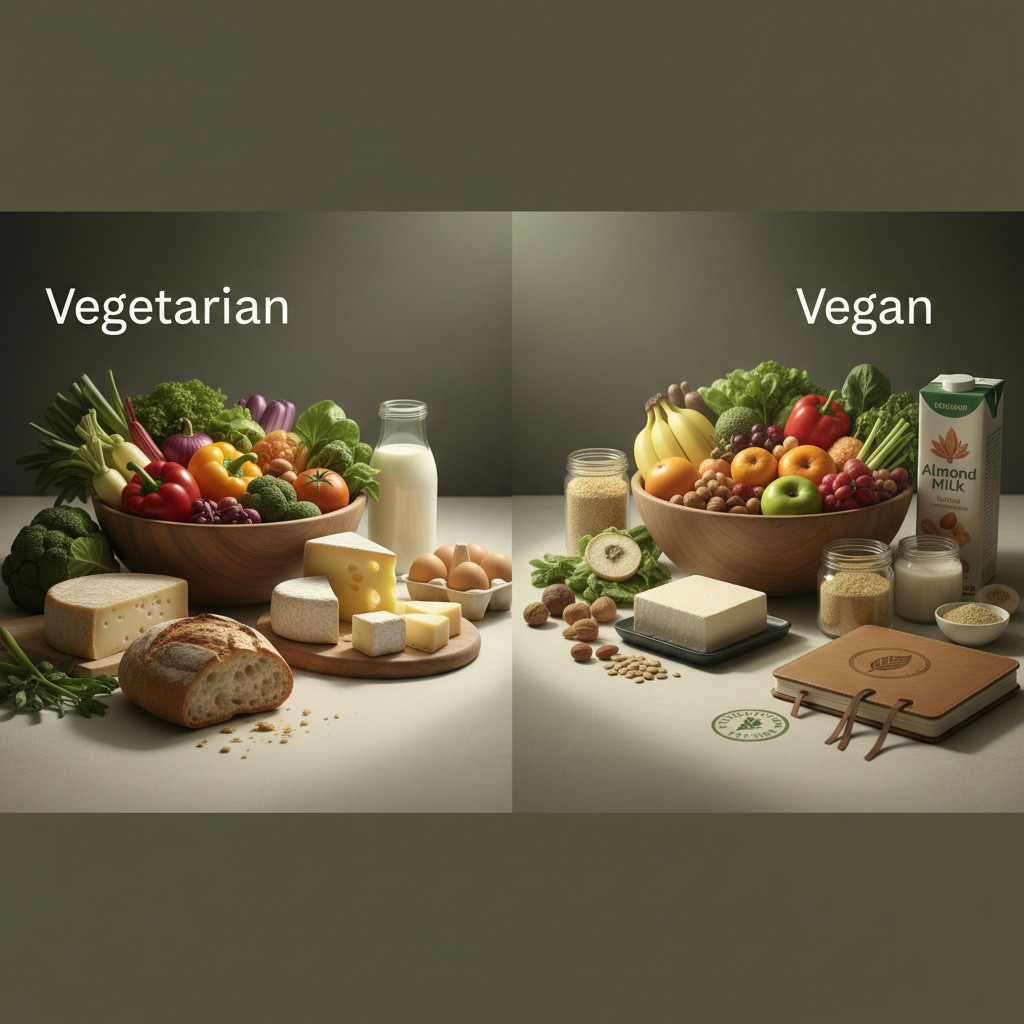
To put it simply, here’s a general guide for a lacto-ovo vegetarian diet:
Foods Typically Included:
- Fruits and vegetables
- Grains and legumes (beans, lentils, chickpeas)
- Nuts and seeds
- Dairy products (milk, cheese, butter, yogurt)
- Eggs
- Tofu and tempeh
- Plant-based oils
Foods Always Excluded:
- Beef, pork, and lamb
- Chicken, turkey, and duck
- Fish and shellfish
- Gelatin (often derived from animal collagen)
- Rennet in cheese (many traditional cheeses use animal rennet, so vegetarians often seek out cheeses made with microbial or vegetable rennet)
Going a Step Further: The Vegan Diet
Veganism is a stricter form of vegetarianism. A vegan diet excludes all foods derived from animals in any capacity. It's not just about avoiding animal flesh; it's about eliminating all animal by-products.
This philosophy often extends beyond the plate into a comprehensive lifestyle that seeks to exclude all forms of animal exploitation and cruelty, from clothing to cosmetics.
What Vegans Eat (and Don't Eat)
Adherence to a vegan diet means a careful reading of labels is often required.
Foods Typically Included:
- Fruits and vegetables
- Grains and legumes
- Nuts and seeds
- Tofu, tempeh, and seitan
- Plant-based dairy alternatives (almond milk, soy yogurt, cashew cheese)
- Plant-based oils
- Nutritional yeast
Foods Always Excluded:
- All meats, poultry, and fish
- All dairy products (milk, cheese, butter)
- Eggs
- Honey (as it's a product of bee labor)
- Gelatin
- Certain additives like L-cysteine (which can be derived from feathers or hair) and some forms of Vitamin D3 (derived from lanolin/sheep's wool)
- Some refined sugars (which may be processed with bone char)
Vegetarian vs Vegan: The Key Differences at a Glance
While the core difference is dietary, the distinction between vegetarian and vegan diets also touches on philosophy, lifestyle choices, and nutritional focus.
Dietary Differences
This is the most straightforward distinction. A table summary helps clarify:
| Food Group | Lacto-Ovo Vegetarian | Vegan |
|---|---|---|
| Meat & Fish | No | No |
| Eggs | Yes | No |
| Dairy | Yes | No |
| Honey | Usually Yes | No |
| Gelatin/Rennet | No | No |
Vegans take the extra step of eliminating dairy, eggs, and honey, which are permissible in most vegetarian diets.
Lifestyle & Philosophy
For many, veganism is more than a diet—it's an ethical stance. This is perhaps the most significant point of divergence in the vegetarian vs vegan comparison. While many vegetarians also choose their diet for ethical reasons related to animal welfare, the vegan philosophy typically extends this concern to all forms of animal use.
This means a vegan lifestyle often involves:
- Clothing: Avoiding leather, wool, silk, fur, and down.
- Cosmetics: Choosing products that are not tested on animals and do not contain animal-derived ingredients (like carmine, lanolin, or beeswax).
- Entertainment: Boycotting activities that use animals for entertainment, such as zoos, aquariums, and circuses.
Nutritional Considerations
Both diets require planning to ensure all nutritional needs are met. However, the restrictions of a vegan diet mean certain nutrients need closer attention.
- Vitamin B12: This vitamin is not naturally found in plant foods. Vegans must get it from fortified foods (like plant milks and cereals) or a reliable supplement. Vegetarians can get B12 from eggs and dairy.
- Iron: While plentiful in plant foods (lentils, spinach), plant-based iron (non-heme iron) is not as easily absorbed as animal-based iron. Pairing iron-rich foods with a source of Vitamin C can boost absorption.
- Calcium: Vegetarians get plenty from dairy, but vegans rely on fortified plant milks, tofu, kale, and broccoli.
- Omega-3 Fatty Acids: Both groups can get ALA (a type of omega-3) from flaxseeds, chia seeds, and walnuts. Vegans may consider an algae-based supplement for EPA and DHA, which are typically found in fatty fish.
Motivations: Why Go Plant-Based?
People choose these diets for a variety of overlapping reasons, which often fall into three main categories.
- Ethical Concerns: A primary driver for many is the ethical treatment of animals. They choose not to contribute to industries that involve animal suffering and slaughter.
- Environmental Impact: Animal agriculture is a significant contributor to greenhouse gas emissions, deforestation, and water usage. A plant-based diet has a much smaller environmental footprint, making it a powerful choice for those concerned with sustainability.
- Health Benefits: Well-planned plant-based diets are associated with a lower risk of heart disease, type 2 diabetes, certain cancers, and high blood pressure. In fact, there are many surprising health benefits of a vegetarian diet that highlight the positive impact of focusing on whole, plant-based foods.
Exploring Plant-Based Eating
Deciding between a vegetarian and vegan diet is a personal choice. There's no right or wrong answer, and for many people, vegetarianism is a stepping stone toward veganism. The most important thing is to choose an approach that is sustainable, enjoyable, and aligns with your personal values.
Making the change can be a delicious journey of discovery. Visiting a restaurant dedicated to plant-based cuisine is a fantastic way to explore new flavors and see just how creative and satisfying meat-free meals can be. We are passionate about crafting delicious, thoughtful meals that celebrate the best of what plants have to offer. You can learn more about our vegetarian restaurant and its philosophy on crafting creative, plant-forward dishes.
Frequently asked questions
- What is the main difference between vegetarian and vegan?
- Vegetarians avoid meat, while vegans avoid all animal products, including meat, dairy, eggs, and honey. Veganism often extends to a lifestyle that avoids animal products in items like clothing and cosmetics.
- Can a vegetarian eat eggs?
- Yes, lacto-ovo vegetarians, the most common type, eat both eggs and dairy products. Ovo-vegetarians eat eggs but not dairy.
- Is honey vegan?
- No. Because honey is produced by bees, it is considered an animal by-product and is not consumed by vegans.
- Which diet is healthier, vegetarian or vegan?
- Both diets can be exceptionally healthy when well-planned and focused on whole foods. Each offers numerous health benefits, but both require mindful planning to ensure all nutritional needs are met.
- Do I need supplements on a vegetarian or vegan diet?
- Vegans require a reliable source of Vitamin B12, typically from supplements or fortified foods. Both vegetarians and vegans may need to pay attention to iron, calcium, and omega-3s, but a well-balanced diet can often provide these.